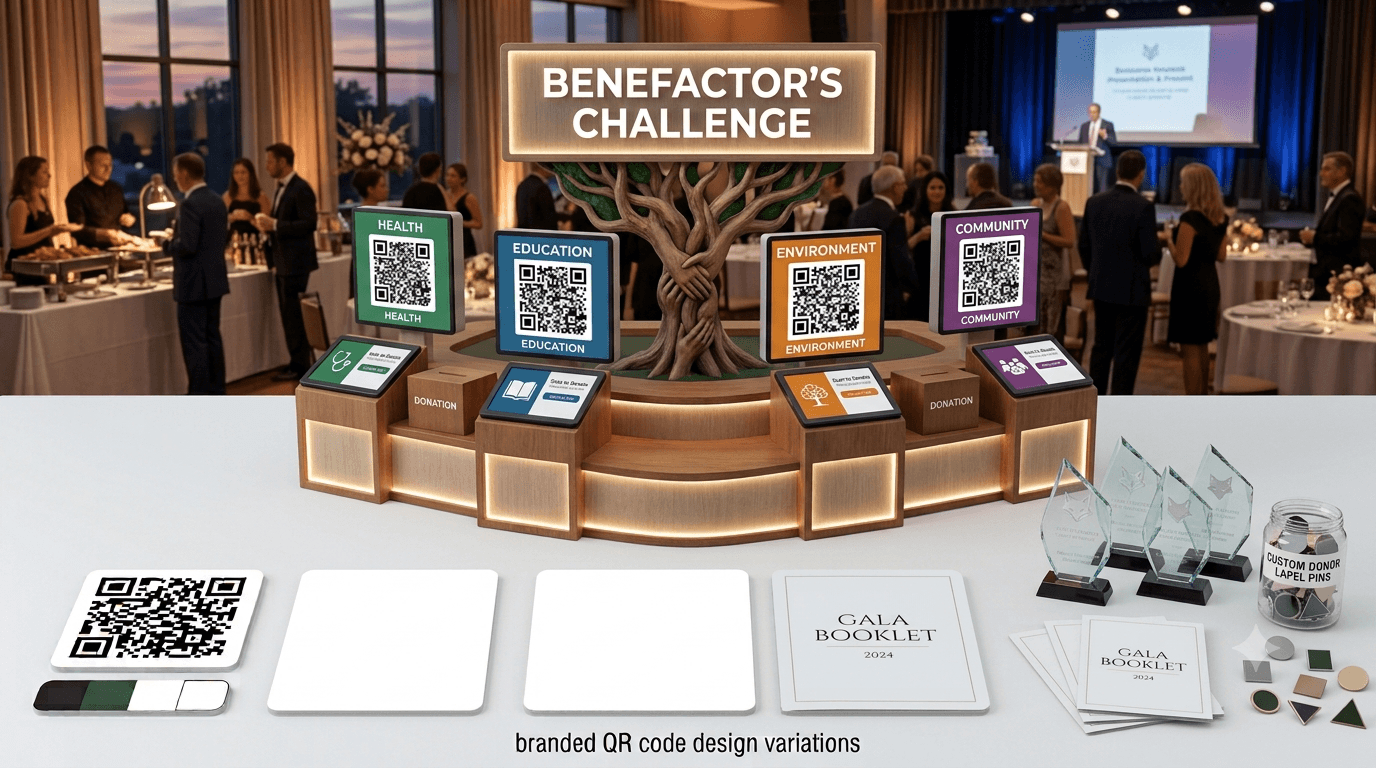
Discover how non-profits and charities leverage dynamic QR codes on fundraising flyers, event banners, and direct mail to capture instant mobile donations and boost donor retention.
Raising awareness and encouraging donations are ongoing challenges for non-profit organizations and charities. Many people support causes they care about, but the donation process can sometimes create unnecessary barriers. If someone has to search for a website, remember a URL, or complete several steps before donating, they may decide to take action later or forget entirely.
QR codes provide a simple way to connect supporters directly to donation pages, campaign websites, volunteer forms, and other digital resources. With a quick scan from a smartphone, donors can move from seeing a fundraising message to completing an action within seconds.
For charities, community organizations, and non-profit groups, QR codes offer an affordable method to make campaigns more accessible, track engagement, and improve supporter experiences.
This guide explains how non-profits can use QR codes to increase donations, where to place them, how to create effective campaigns, and the best practices for building trust with supporters.
Table of Contents
- What Are QR Codes for Non-Profit Fundraising?
- Why QR Codes Are Useful for Charities
- How QR Codes Help Increase Donations
- Where Non-Profits Can Use QR Codes
- How to Create a Donation QR Code
- Using QR Codes Beyond Donations
- Common Mistakes Charities Should Avoid
- Best Practices for Fundraising QR Codes
- How to Measure QR Code Campaign Results
- Frequently Asked Questions
What Are QR Codes for Non-Profit Fundraising?
A QR code is a scannable digital code that directs smartphone users to online content. For non-profits, QR codes are commonly used to connect supporters with donation pages, fundraising campaigns, event registrations, and volunteer opportunities.
Instead of asking someone to manually type a website address, organizations can provide an instant connection between physical materials and digital actions.
A donation QR code can link to:
- Online donation forms
- Fundraising campaign pages
- Monthly giving programs
- Emergency support campaigns
- Volunteer registration forms
- Impact reports
- Social media pages
The goal is to remove friction and make it easier for supporters to participate.
Why QR Codes Are Useful for Charities
They Make Donations Easier
Convenience plays an important role in online giving. A person may feel motivated to support a cause after seeing a poster, attending an event, or hearing a story, but complicated donation steps can reduce the chance that they complete the process.
A QR code creates a direct path from awareness to action.
For example, a charity hosting a community event can place QR codes on tables, signs, and printed materials. Visitors can scan the code immediately instead of searching for the organization online later.
They Connect Offline and Online Fundraising
Many non-profit campaigns still rely on physical materials such as flyers, banners, brochures, and collection boxes.
QR codes add a digital layer to these traditional methods by allowing printed materials to become interactive.
A simple poster can now provide:
- A donation option
- A campaign story
- Photos and updates
- Volunteer information
- Social sharing options
They Are Affordable to Use
QR codes are inexpensive compared with many traditional fundraising tools. A single QR code can be added to existing materials without requiring major changes to a campaign strategy.
This makes them especially useful for smaller organizations with limited marketing budgets.
How QR Codes Help Increase Donations
Reduce the Number of Steps
Every additional step between a supporter and a donation opportunity creates another chance for someone to leave.
A QR code reduces unnecessary actions:
- A person sees the fundraising message.
- They scan the QR code.
- The donation page opens.
- They complete their contribution.
A smoother process can help more interested supporters complete their intended action.
Capture Interest at the Right Moment
Timing matters in fundraising. People are often most motivated when they are directly experiencing a campaign message.
Examples include:
- A visitor learning about an animal rescue project.
- A community member attending a charity event.
- A customer seeing a social impact message at a business partner location.
A QR code allows supporters to respond immediately while their interest is high.
Support Different Donation Methods
QR codes can direct users to donation pages that support different payment options, helping supporters choose a method that works best for them.
Organizations can create separate QR codes for:
- One-time donations
- Recurring monthly gifts
- Event-based donations
Where Non-Profits Can Use QR Codes
Fundraising Events
Events are one of the most effective places to use donation QR codes. Attendees are already engaged with the organization and may be more likely to support the cause.
Place QR codes on:
- Registration desks
- Event programs
- Presentation slides
- Table signs
- Display boards
Printed Flyers and Posters
Traditional advertising materials become more effective when they include a direct digital action.
Instead of only displaying a website address, a flyer can allow someone to donate immediately.
Donation Boxes
Physical donation boxes can include QR codes for people who prefer digital payments.
This is useful in locations where people may not carry cash but still want to contribute.
Social Impact Campaigns
QR codes can be added to campaign materials that explain a specific goal, such as funding a community project or supporting disaster relief efforts.
Direct Mail Campaigns
Printed letters and postcards can include QR codes that connect recipients directly to online donation pages.
How to Create a Donation QR Code
Creating a QR code for a charity campaign involves a few important steps.
-
Choose the destination page.
Select the exact donation page, campaign page, or online form where supporters should go.
-
Create a trackable URL.
Use campaign tracking information if you want to measure where donations come from.
-
Generate the QR code.
Create a QR code containing the donation link.
-
Add supporting information.
Include a short message explaining what supporters will receive or what their donation helps accomplish.
-
Test the QR code.
Scan it using different smartphones before publishing it.
-
Place it strategically.
Add it where supporters are most likely to see and use it.
If your organization needs QR codes for donation pages, fundraising campaigns, events, or awareness materials, you can use our free QR Code Generator.
Using QR Codes Beyond Donations
While donations are a common use case, QR codes can support many other non-profit activities.
Volunteer Recruitment
A QR code can direct interested people to volunteer applications or upcoming opportunities.
Event Registration
Organizations can simplify registration for charity walks, community programs, and fundraising events.
Sharing Impact Stories
A QR code on printed materials can link to videos, reports, and stories showing how donations are making a difference.
Collecting Feedback
After an event or program, organizations can use QR codes to collect supporter feedback and improve future activities.
Common Mistakes Charities Should Avoid
Linking to a General Homepage
A QR code should lead users directly to the intended action. Sending visitors to a homepage creates extra steps.
Not Explaining the Purpose
People are more likely to scan when they understand what will happen.
Instead of only showing a QR code, include clear instructions such as:
- Scan to Support This Project
- Scan to Donate Today
- Scan to Help Provide Meals
Using Poor Placement
A QR code hidden in a corner or placed where people cannot comfortably scan it will not perform well.
Failing to Test the Donation Experience
Organizations should test the complete process, including the QR code, landing page, payment process, and confirmation message.
Ignoring Trust Signals
Supporters want confidence that their contribution is reaching the intended organization.
Donation pages should clearly show:
- Organization information
- Contact details
- Secure payment options
- Clear explanations of how funds are used
Best Practices for Fundraising QR Codes
- Use a clear call-to-action near the QR code.
- Make the code large enough for easy scanning.
- Use strong contrast between the QR code and background.
- Test printed versions before distribution.
- Connect QR codes to mobile-friendly pages.
- Track campaign performance.
- Update supporters after donations are received.
- Explain the impact of contributions.
How to Measure QR Code Campaign Results
Tracking performance helps non-profits understand whether QR code campaigns are effective.
Useful measurements include:
- Number of scans
- Website visits from QR codes
- Completed donation forms
- Total contributions generated
- Volunteer registrations
- Event signups
For example, a charity may discover that QR codes on event posters generate more donations than QR codes on printed brochures. This information can help improve future campaigns.
Summary
QR codes provide non-profits and charities with a practical way to make fundraising easier, connect physical campaigns with digital experiences, and improve supporter engagement.
They can be used on posters, donation boxes, event materials, direct mail, and community campaigns to help people take action quickly.
The most effective QR code fundraising campaigns focus on simplicity, trust, and clear communication. A QR code should not only make donating easier—it should guide supporters toward a meaningful connection with the organization’s mission.
Frequently Asked Questions
1. How can charities use QR codes?
Charities can use QR codes for donations, volunteer registration, event signups, campaign information, and sharing impact stories.
2. Do QR codes increase donations?
QR codes can help increase donations by making the giving process faster and easier, especially when supporters are already interested in a cause.
3. Where should a charity place donation QR codes?
Common locations include fundraising events, posters, brochures, donation boxes, websites, and printed campaign materials.
4. Are QR codes expensive for non-profits?
QR codes are generally affordable and can be added to existing marketing materials without significant additional costs.
5. Should every fundraising campaign have its own QR code?
Using separate QR codes for different campaigns can help organizations measure results and understand which efforts perform best.
6. How can donors trust QR code donation links?
Organizations should use official donation pages, clearly identify themselves, provide transparent information, and ensure secure payment experiences.
7. Can QR codes be used for volunteer recruitment?
Yes. QR codes can direct people to volunteer applications, event registrations, and information about community programs.