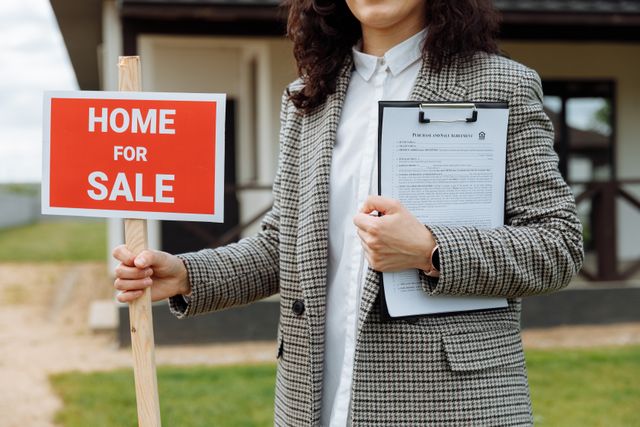
Discover how real estate agents use dynamic QR codes on yard signs, open house flyers, and property brochures to capture hot buyer and seller leads instantly.
Generating quality leads is one of the biggest challenges in real estate. Buyers and sellers often discover properties while driving through neighborhoods, browsing printed flyers, attending open houses, or viewing advertisements. If they have to manually type a website address or search for an agent online, there's a good chance they'll lose interest before making contact.
QR codes remove that extra step by allowing potential clients to access property listings, schedule viewings, request more information, or save an agent's contact details with a simple smartphone scan. This creates a smoother experience for prospective buyers while helping agents capture more leads quickly.
This guide explains how real estate agents can use QR codes effectively, where to place them, and how to turn more property views into qualified leads.
Table of Contents
- Why QR Codes Work for Real Estate
- Benefits of QR Codes for Real Estate Agents
- Best Ways to Use QR Codes
- Where to Place QR Codes
- How to Build an Effective QR Code Lead Strategy
- Common Mistakes to Avoid
- Expert Tips
- Summary
- Frequently Asked Questions
Why QR Codes Work for Real Estate
Real estate decisions often begin with curiosity. Someone notices a "For Sale" sign, receives a property brochure, or walks past a new development. At that moment, making it easy to access more information can significantly increase the chances of generating a lead.
Instead of asking potential buyers to remember a website or phone number, a QR code gives them instant access to everything they need. The fewer steps involved, the more likely they are to engage before moving on.
QR codes also allow agents to connect traditional marketing materials with digital tools, making offline advertising much more effective.
Benefits of QR Codes for Real Estate Agents
Capture Leads Instantly
Interested buyers can complete an inquiry form or request a callback immediately after scanning a QR code.
Share Complete Property Information
Printed signs have limited space, but QR codes can link to full property descriptions, photo galleries, pricing, virtual tours, floor plans, and neighborhood details.
Improve Customer Convenience
Buyers appreciate being able to access information on their own schedule without making an immediate phone call.
Support Offline Marketing
QR codes make printed advertisements, brochures, postcards, and yard signs interactive by connecting them to online content.
Reduce Missed Opportunities
People often view properties outside business hours. QR codes allow them to learn more and submit inquiries even when the office is closed.
Best Ways to Use QR Codes
Property Listings
Place QR codes on "For Sale" signs that direct buyers to detailed property pages with photos, videos, pricing, and availability.
Schedule Property Viewings
Link directly to an online booking page where visitors can choose a convenient viewing time.
Virtual Tours
Offer 360-degree property tours so buyers can explore homes before arranging an in-person visit.
Lead Capture Forms
Direct users to a simple contact form where they can request more information or ask questions about a property.
Agent Contact Information
Allow prospects to save your phone number, email address, and office details directly to their mobile device.
Mortgage and Buying Guides
Provide first-time buyers with helpful resources that explain financing options, purchasing steps, or moving checklists.
Where to Place QR Codes
For Sale Signs
This is one of the most effective locations because interested buyers are already viewing the property.
Property Flyers
Include QR codes that provide additional photos and videos not available on the printed brochure.
Open House Displays
Visitors can scan to register, download property information, or request follow-up communication.
Business Cards
Help potential clients quickly save your contact information or visit your property listings.
Newspaper and Magazine Advertisements
Printed advertising becomes more interactive when readers can immediately access property details online.
Social Media Graphics
QR codes can also be included on printed materials that promote your social channels or featured listings.
How to Build an Effective QR Code Lead Strategy
- Choose one clear objective. Decide whether the QR code should generate inquiries, schedule viewings, or showcase a property.
- Create a dedicated landing page. Make sure the page is mobile-friendly and focused on one property or campaign.
- Keep forms short. Ask only for essential information such as name, phone number, and email address to reduce abandonment.
- Add a clear call-to-action. Use phrases like "Scan to View Photos," "Scan to Schedule a Tour," or "Scan for Property Details."
- Place QR codes on every marketing material. Maintain consistency across signs, brochures, business cards, and advertisements.
- Respond to leads quickly. Fast follow-up often improves the chances of converting inquiries into appointments.
If you need to create QR codes for property listings, brochures, business cards, or open house materials, you can use our free QR Code Generator.
Common Mistakes to Avoid
Sending Visitors to a Generic Homepage
Instead of linking to your main website, direct prospects to the specific property or service they're interested in.
Using Long or Complicated Forms
Asking for too much information can discourage potential clients from completing the inquiry.
Printing QR Codes Too Small
Make sure QR codes are large enough to scan comfortably from a reasonable distance.
Failing to Test QR Codes
Always scan every code before printing signs, flyers, or brochures to ensure it works correctly.
Not Including a Call-to-Action
People are more likely to scan when they know exactly what they'll receive.
Expert Tips
- Use dedicated landing pages for each property listing.
- Include high-quality photos and virtual tours whenever possible.
- Keep contact forms short and easy to complete.
- Use QR codes consistently across all marketing materials.
- Refresh property pages as listings change.
- Follow up with new inquiries promptly.
- Track which marketing materials generate the most leads and adjust your strategy accordingly.
Summary
QR codes provide real estate agents with a simple and effective way to capture leads wherever potential buyers discover a property. By connecting printed marketing materials to detailed listings, booking pages, and inquiry forms, agents can reduce friction and make it easier for prospects to take the next step.
Whether used on yard signs, brochures, business cards, or open house displays, QR codes help transform casual interest into meaningful conversations and increase opportunities to close more sales.
Frequently Asked Questions
1. How do QR codes help real estate agents generate leads?
They allow potential buyers to instantly access property information, schedule viewings, or submit inquiry forms without searching for the agent online.
2. Where should I place QR codes for the best results?
Popular locations include yard signs, property flyers, brochures, business cards, open house displays, newspaper advertisements, and postcards.
3. What should a real estate QR code link to?
It can link to a property listing, virtual tour, appointment booking page, contact form, or your professional profile, depending on your campaign goals.
4. Can QR codes be used for open houses?
Yes. Visitors can scan a QR code to register their attendance, download property details, request follow-up information, or schedule another viewing.
5. Do QR codes work for both residential and commercial properties?
Absolutely. They are equally useful for showcasing homes, apartments, office spaces, retail properties, and land listings.
6. Do I need a special app to scan a QR code?
Most modern smartphones can scan QR codes directly using the built-in camera app, making the process quick and convenient.
7. How can I improve the number of scans my QR codes receive?
Use clear calls-to-action, place QR codes in highly visible locations, link to valuable property information, and ensure every landing page is optimized for mobile devices.