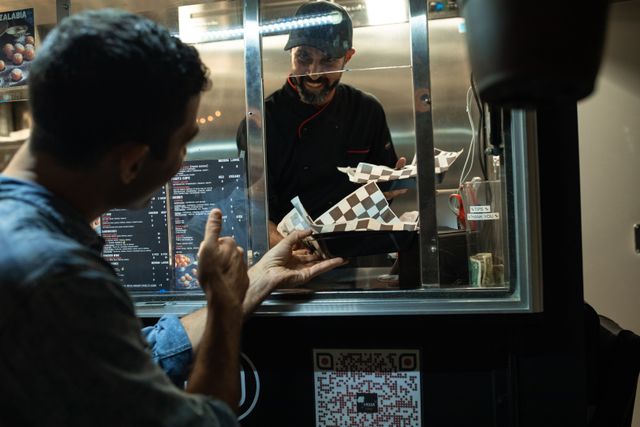
Discover how restaurants leverage dynamic QR code menus, automated reordering systems, and customer loyalty flows to drastically cut print costs and increase table turnover.
QR codes have become a valuable tool for restaurants looking to improve customer service while reducing operating expenses. What started as a convenient way to offer contactless menus has evolved into a versatile solution for ordering, payments, loyalty programs, promotions, and customer feedback.
For restaurants of all sizes, QR codes help bridge the gap between the dining experience and digital engagement. They reduce printing costs, encourage repeat visits, streamline operations, and create new opportunities to connect with customers long after they leave the restaurant.
This guide explores how restaurants use QR codes to increase repeat orders, lower costs, and create a better overall customer experience.
Table of Contents
- Why QR Codes Matter for Restaurants
- How QR Codes Encourage Repeat Orders
- Ways QR Codes Reduce Restaurant Costs
- Practical QR Code Applications
- How to Implement a QR Code Strategy
- Common Mistakes to Avoid
- Expert Tips
- Summary
- Frequently Asked Questions
Why QR Codes Matter for Restaurants
Restaurants operate in a highly competitive industry where customer convenience and operational efficiency can make a significant difference. QR codes simplify many everyday interactions by allowing guests to access information instantly using their smartphones.
Instead of waiting for printed menus, searching for a website, or filling out paper forms, customers can scan a QR code and immediately view menus, place orders, join loyalty programs, or leave feedback.
This seamless experience not only improves customer satisfaction but also reduces staff workload during busy service hours.
How QR Codes Encourage Repeat Orders
Digital Loyalty Programs
One of the most effective uses of QR codes is connecting customers to a digital loyalty program. After dining, guests can scan a code to earn points, collect rewards, or receive discounts on future visits.
A simple rewards system gives customers a reason to return instead of choosing another restaurant.
Exclusive Promotions
Restaurants can offer QR-exclusive discounts that are available only after scanning.
Examples include:
- 10% off the next order
- Free dessert after three visits
- Limited-time seasonal offers
- Birthday rewards
- Early access to new menu items
These promotions encourage repeat visits without requiring expensive advertising campaigns.
Easy Online Reordering
A QR code printed on receipts, takeaway bags, or food packaging can send customers directly to the restaurant's online ordering page.
Removing unnecessary steps makes it easier for satisfied customers to place another order.
Email and SMS Signups
Restaurants can use QR codes to grow their customer database by inviting diners to subscribe to email newsletters or text message updates.
This creates a direct communication channel for announcing new menu items, holiday specials, and exclusive offers.
Ways QR Codes Reduce Restaurant Costs
Lower Printing Expenses
Printed menus require regular updates whenever prices or menu items change.
Digital menus accessed through QR codes eliminate the need for frequent reprints and make updates available immediately.
Faster Menu Updates
Restaurants can adjust prices, remove unavailable items, or add daily specials without waiting for new menus to be printed.
This flexibility is especially useful for seasonal dishes and limited-time promotions.
Reduced Ordering Errors
When customers place orders directly through a digital ordering system, the likelihood of communication mistakes decreases.
Accurate orders can help reduce food waste, improve efficiency, and increase customer satisfaction.
Less Administrative Work
QR codes can automate reservation requests, customer feedback, and promotional signups, allowing staff to spend more time serving guests.
Practical QR Code Applications
Digital Menus
Place QR codes on tables so guests can browse the latest menu on their phones.
Table Ordering
Customers can order food and drinks without waiting for a server to take their order, depending on the restaurant's ordering system.
Takeaway Packaging
Include QR codes on food packaging that link to online ordering, loyalty rewards, or special promotions.
Customer Reviews
Invite satisfied diners to leave a review by scanning a QR code on the receipt or table tent.
Reservations
Allow customers to book future visits by linking directly to your reservation page.
Nutritional and Allergen Information
Restaurants can provide detailed ingredient lists and nutritional information without overcrowding printed menus.
How to Implement a QR Code Strategy
- Identify your goal. Decide whether you want to increase repeat visits, promote online ordering, collect reviews, or reduce menu printing costs.
- Create mobile-friendly landing pages. Ensure every page loads quickly and is easy to navigate on smartphones.
- Generate your QR code. Use a reliable generator that produces high-quality codes suitable for printing.
- Place QR codes strategically. Add them to menus, tables, receipts, takeaway bags, packaging, posters, and promotional materials.
- Test every code. Scan each QR code with multiple devices before using it publicly.
- Monitor performance. Track customer engagement and update campaigns based on what works best.
If you need to create QR codes for restaurant menus, takeaway packaging, table displays, or promotional campaigns, you can use our free QR Code Generator.
Common Mistakes to Avoid
Using QR Codes Without a Clear Purpose
Every QR code should lead customers toward a useful action rather than simply linking to your homepage.
Poor Placement
QR codes should be easy to notice and convenient to scan while customers are seated or waiting.
Ignoring Mobile Experience
Most restaurant QR codes are scanned using smartphones, so linked pages should load quickly and display properly on smaller screens.
Not Updating Promotions
If a QR code advertises an expired offer, customers may lose confidence in future promotions.
Skipping Testing
Always verify that every QR code works before printing menus, receipts, or packaging.
Expert Tips
- Use clear calls-to-action such as "Scan to View Today's Specials" or "Scan to Earn Rewards."
- Keep digital menus simple and easy to navigate.
- Offer incentives that encourage repeat visits instead of one-time discounts.
- Regularly update promotions to keep customers engaged.
- Collect customer feedback to identify opportunities for improvement.
- Track which QR code placements generate the most scans and orders.
- Ensure QR codes remain clean, visible, and large enough to scan comfortably.
Summary
QR codes provide restaurants with a simple yet effective way to improve customer convenience while lowering operating costs. From digital menus and online ordering to loyalty programs and customer feedback, they streamline everyday operations and create more opportunities for repeat business.
When implemented thoughtfully, QR codes help restaurants deliver a smoother dining experience, reduce printing expenses, and maintain stronger relationships with customers long after their meal is finished.
Frequently Asked Questions
1. How do QR codes help restaurants increase repeat orders?
QR codes make it easy for customers to re-order online, join loyalty programs, receive exclusive promotions, and stay connected through email or SMS updates.
2. Can QR codes replace printed menus?
Yes. Many restaurants use QR codes to provide digital menus that can be updated instantly whenever prices or menu items change.
3. Do customers need a special app to scan restaurant QR codes?
Most modern smartphones include QR code scanning directly within the camera app, so no additional software is usually required.
4. Where should restaurants place QR codes?
Popular locations include dining tables, menus, receipts, takeaway packaging, storefront windows, promotional posters, and table tents.
5. Can QR codes help collect customer reviews?
Yes. Restaurants often place QR codes on receipts or tables that link directly to a review page, making it easier for satisfied customers to share their experience.
6. Are QR codes suitable for small independent restaurants?
Absolutely. QR codes are inexpensive to create and can provide meaningful benefits regardless of whether a restaurant operates a single location or multiple branches.
7. How can restaurants measure the success of QR code campaigns?
Success can be measured by tracking metrics such as scans, online orders, loyalty program signups, customer reviews, reservation requests, and repeat purchases.