Navigating a Roach Infestation After Moving In: A Complete Step-by-Step Response Strategy
Unpacking boxes in a new home should mark the beginning of a fresh chapter, but discovering cockroaches shortly after moving in can quickly turn excitement into frustration. Whether renting an apartment or settling into a newly purchased property, encountering pests is an uncomfortable reality for many residents. In multi-unit residential buildings and single-family homes alike, seeing even a single cockroach is rarely an isolated event. More often, it serves as an early warning indicator that a larger infestation may be hiding behind walls, under appliances, or within building cavities.
Responding effectively requires a calm, systematic approach rather than immediate panic. By taking structured documentation steps, implementing temporary containment measures, and relying on professional pest management, residents can protect their living environment and ensure property managers or exterminators address the root cause of the problem.
Documenting the Infestation to Build an Objective Record
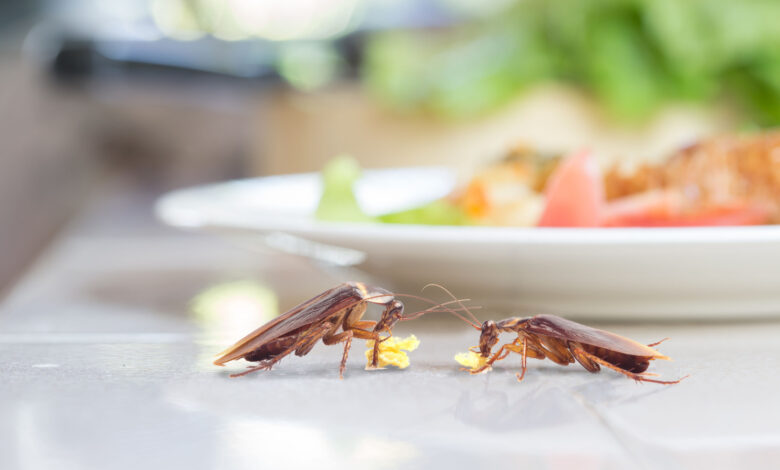
The moment a cockroach is spotted, the first priority should be creating a detailed factual record of the issue. Catching a clear photo of the insect using a smartphone provides indisputable photographic evidence of the problem. This visual proof eliminates ambiguity when reporting the situation to a landlord, property management company, or pest control contractor.
Alongside visual evidence, maintaining a precise written log is equally essential. Each entry should note the exact date and time of the sighting, as well as the specific location within the residence—such as beneath the kitchen sink, adjacent to the refrigerator, or inside a lower bathroom cabinet. Detail matters because pests often follow consistent pathways relative to moisture and warmth.
For renters, communicating these findings in writing is a critical safeguard. Transmitting photographic evidence and sighting logs via email or certified written communication creates a verifiable paper trail. If property management fails to respond promptly or attempts to dismiss the severity of the issue, having documented dates, times, and written notifications protects the tenant’s legal standing under habitability standards.
Temporary Measures While Awaiting Extermination Services
While waiting for a qualified exterminator or property owner to coordinate treatment, occupants can take targeted temporary measures to monitor the situation and limit pest activity. Placing non-toxic glue monitors throughout high-risk areas serves a dual purpose: it captures individual insects and helps identify where the highest concentration of pest activity is occurring. Key placement locations include under kitchen and bathroom sinks, near heating sources, behind major kitchen appliances like stoves and refrigerators, and within lower storage cabinets.
Simultaneously, restricting access to basic survival resources—specifically food and water—is vital for preventing rapid population growth. Cockroaches require very little nourishment to sustain themselves, making daily household maintenance an essential containment strategy.
- Seal Food Storage: Transfer dry kitchen goods, grains, and pet food into airtight glass or hard plastic containers.
- Eliminate Standing Moisture: Repair dripping faucets, wipe down wet sinks before going to bed, and ensure no standing water remains in tray drains or plant saucers.
- Maintain Surface Cleanliness: Sweep up food crumbs, wipe down counter surfaces immediately after preparing meals, and avoid leaving unwashed dishes in the sink overnight.
Comparing Control Methods and Immediate Actions
Understanding which interventions yield results—and which ones cause harm—is essential when managing an active infestation. The table below outlines key practical measures alongside common missteps to avoid during the initial containment phase.
| Intervention Strategy | Primary Purpose | Recommended Operational Guidance |
|---|---|---|
| Photographic & Log Documentation | Establishing verifiable evidence | Capture clear photos and record exact dates, times, and locations for formal written notice. |
| Strategic Glue Trap Placement | Mapping active harborage areas | Position monitors near sinks, behind heavy appliances, and inside lower cabinetry. |
| Moisture & Food Source Control | Depriving pests of survival needs | Store dry goods in sealed containers, dry sinks overnight, and fix dripping pipes. |
| Aerosol Sprays & Foggers | Over-the-counter eradication attempt | Avoid entirely; foggers spread toxic chemical residue without penetrating hidden nests. |
Why Over-the-Counter Quick Fixes Can Backfire
When faced with pests in a newly occupied home, many people naturally reach for retail solutions such as pesticide sprays or aerosol foggers, commonly known as “bug bombs.” However, industry professionals strongly advise against using these self-treatment options for cockroach control. Over-the-counter foggers release an airborne mist that settles on exposed open surfaces without reaching deep into the structural cracks, wall voids, and hidden crevices where cockroaches actually nest.
Furthermore, chemical sprays can trigger a defensive reaction in cockroach colonies known as repellency. Instead of eradicating the infestation, harsh synthetic sprays often cause pests to scatter deeper into wall cavities, plumbing chases, and adjacent rooms, effectively spreading the infestation across a wider area. In addition to their limited efficacy, foggers leave chemical residues on furniture, countertops, and flooring, posing potential health risks to human occupants and domestic pets.
Navigating Landlord Responsibilities and Professional Treatment
Effective, lasting cockroach control relies on professional-grade methods applied by licensed pest control technicians. Professional exterminators utilize targeted gel baits, insect growth regulators, and residual dusts that address the infestation at its source without causing colonies to scatter.
For tenants, navigating an infestation also involves understanding legal housing rights. Depending on local municipal codes, state landlord-tenant laws, and lease agreements, property owners are generally legally obligated to maintain residential rental units in a clean, safe, and habitable condition. In many jurisdictions, this statutory warranty of habitability mandates that landlords provide and pay for professional extermination services when an infestation occurs through no fault of the tenant.
When professional technicians visit the property, occupants should actively engage with them to request a tailored risk assessment. Pest control specialists can identify structural entry points—such as unsealed utility line gaps, uncaulked baseboards, or damaged window screens—that require maintenance to prevent future pest entry.
Long-Term Prevention, Early Warning Signs, and Building Dynamics
Once professional treatment has been initiated, long-term success relies on maintaining strict sanitation habits and reducing harborages. Removing excess clutter is one of the most effective preventative strategies available. Stacks of cardboard boxes, paper bags, and accumulated household clutter provide ideal hiding spots and breeding grounds for pests. Keeping closets, basements, and cabinet spaces organized and free of unnecessary paper products significantly reduces potential habitats.
Occupants should also familiarize themselves with subtle warning signs that indicate continuing or recurring pest activity, even when live insects are not immediately visible:
- Fecal Droppings: Small black specks resembling coarse black pepper or ground coffee left along baseboards, inside drawers, or on cupboard shelves.
- Smear Marks: Dark, irregular streak marks left along wall surfaces, baseboards, and entry points where pests travel in damp conditions.
- Unusual Odors: A persistent, musty, or oily smell throughout enclosed spaces, caused by chemical pheromones emitted by established roach populations.
In multi-family residential buildings, addressing pest challenges requires recognizing that infestations rarely respect property boundaries. Cockroaches easily travel between adjacent apartments through shared wall voids, electrical conduits, and centralized plumbing stacks. If a neighbor in a shared-wall building is experiencing a pest issue, insects can readily migrate into neighboring units. Open, polite communication with adjacent residents and building management is essential for ensuring that pest control treatments are applied comprehensively across all connected living spaces rather than isolated to a single apartment.